
Introduction
If you are over 40 and trying to lose weight, you may have noticed something frustrating. The approach that worked in your twenties or thirties does not seem to work in the same way now. You eat a little less, you move a little more, and the scale barely moves.
You are not imagining it, and you are not doing something wrong. Weight loss often does become harder after 40. Muscle mass tends to fall, hormones shift, sleep can become lighter, stress often rises, and daily movement can quietly drop. None of that means weight loss is impossible. It means the plan needs to fit the body you have now. This article explains, in plain language, why things change and what tends to help most.
Why Weight Loss Feels Harder After 40
There is rarely one single reason. For most people, several small changes happen at the same time. Your body may burn slightly fewer calories at rest than it used to, partly because of muscle loss and partly because of age. Your routine may also have changed, with more sitting for work, more driving, and less time for sport.
Sleep and stress can affect appetite too. When you are tired or stressed, cravings often feel stronger, and it can be harder to notice when you are full. Hormones also change with age. For women, the years around menopause can shift where fat is stored, often more around the waist. For men, testosterone levels tend to fall slowly, which can affect muscle and fat. Past dieting can add to this, since repeated cycles of losing and regaining weight can leave you with less muscle.
Muscle and Metabolism: What Changes
Muscle is one of the most useful tissues for weight management. It uses energy even when you are resting, and it helps you stay strong, steady on your feet, and able to do everyday tasks. From around age 30 onwards, most adults slowly lose muscle if they do not actively work to keep it.
When muscle falls, the number of calories your body needs each day can fall too. Eating the same amount as before may then lead to slow weight gain. Losing weight through diet alone, without protecting muscle, can make this worse. That is why weight loss after 40 works better when it is not only about eating less. It is also about keeping muscle, through strength training and enough protein.
You can check your starting point with the BMI calculator. For a fuller picture, the body fat calculator can help you think beyond the scale alone.
Protein: Why It Matters More Now
Protein is important at every age, but it becomes even more important after 40. It provides the building blocks your body needs to maintain and repair muscle, especially when you are eating slightly fewer calories to lose weight. When protein intake is too low during weight loss, a larger share of the weight lost can come from muscle rather than fat.
You do not need a perfect protein plan, and you do not need supplements to succeed. Most people do well by including a source of protein at each meal, such as eggs, Greek yogurt, cottage cheese, chicken, fish, beans, lentils, tofu, or nuts. Spreading protein through the day tends to work better than eating almost all of it at dinner. It can also help you feel full for longer, which makes it easier to avoid constant snacking. If you have kidney problems or another condition that affects protein, talk to your doctor first.
Strength Training: The Missing Piece for Many People
If walking and dieting have not worked well on their own, strength training is often the missing piece. It does not have to mean heavy weights or a gym membership, although both can help if you enjoy them. It means working your muscles against some kind of resistance, such as bodyweight exercises, resistance bands, dumbbells, or gym machines.
Aim to challenge the main muscle groups, in your legs, back, chest, arms, and core, two or three times a week. Two or three sessions of 20 to 30 minutes can be a good start. Simple moves such as squats to a chair, wall push ups, step ups, rows with a band, and glute bridges cover a lot of ground. Many people worry that strength training will make them bulky. For most people over 40, that is very unlikely. Start gently, warm up first, and stop if something hurts in a sharp or worrying way.
Walking and Daily Movement: Small Steps Add Up
You do not need to run marathons or do intense workouts every day to lose weight after 40. For many people, walking and general daily movement are the most sustainable forms of activity. Walking is gentle on the joints, easy to fit into a day, and does not need special equipment. A brisk walk, where you can talk but feel slightly out of breath, counts as useful exercise.
Look for ways to add movement without adding a formal workout. Take the stairs when you can, park a little further away, walk while you are on the phone, or take a short walk after meals. Your total daily energy expenditure includes everything you do, not just exercise. Sitting, standing, walking around the house, and doing chores all count. You can try the TDEE calculator to get a rough guide, then adjust based on how your weight responds over a few weeks.

Sleep: The Factor Many People Overlook
Sleep affects weight more than most people expect. When you do not sleep enough, hunger can rise, cravings for sweet and salty foods can grow, and willpower can feel lower the next day. You may also move less because you feel tired. After 40, sleep can become more difficult, with more waking during the night or earlier waking in the morning.
You do not need perfect sleep to lose weight, but improving it even a little can help. Try keeping a regular bedtime and wake time, even at weekends. Keep your bedroom dark, cool, and quiet if you can. Avoid bright screens in the last hour before bed, and try to keep caffeine to the morning and early afternoon. Alcohol may help you fall asleep at first, but it often makes sleep lighter later in the night. If you snore loudly or feel exhausted during the day, talk to your doctor.
Stress and Eating Habits
Stress does not directly add fat, but it can change how and what you eat. When you are stressed, many people eat faster, eat more, and choose foods that are high in sugar, salt, or fat. This is often called emotional eating, and it is very common. After 40, stress can come from many directions at once, including work, money, caring for family, health concerns, and poor sleep.
It helps to notice your patterns without judging yourself. Ask a simple question before eating: am I physically hungry, or am I tired, stressed, bored, or upset? If it is not hunger, a short walk, a glass of water, a few deep breaths, or a brief break can sometimes help. Eating slowly, and avoiding screens while you eat, can also help you notice when you are satisfied. Planning simple meals in advance makes it easier to choose well when you are busy.
What to Eat: Simple, Filling Food
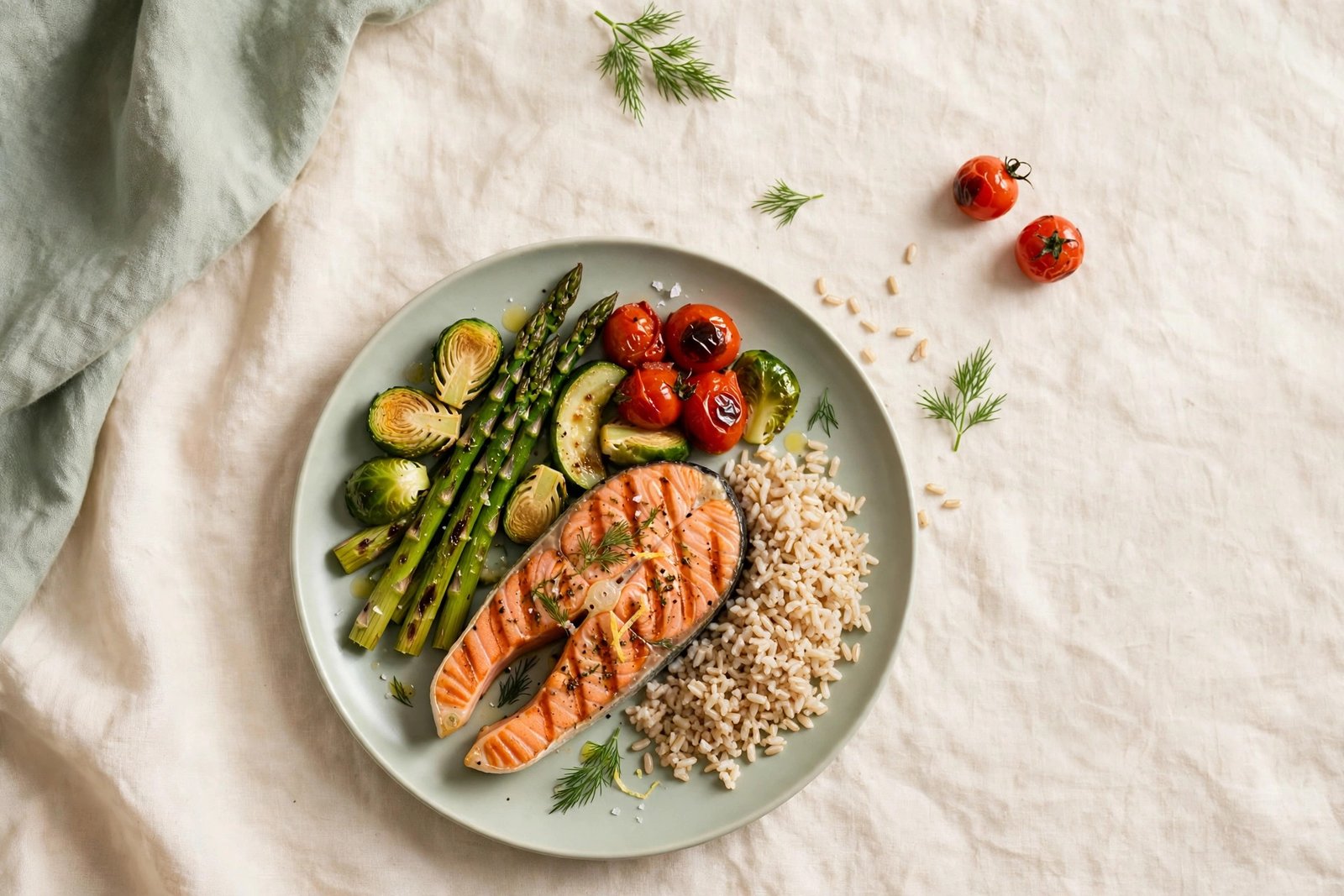
There is no single perfect diet for weight loss after 40, and you do not need to follow a strict named diet to succeed. Most successful approaches share a few simple ideas. Build meals around foods that keep you full, such as plenty of vegetables, a source of protein, and fibre rich foods like beans, lentils, whole grains, fruit, or nuts.
Watch portion sizes, especially for foods that are easy to overeat, such as oils, butter, cheese, nuts, bread, rice, pasta, and sweet drinks. You do not need to cut them out completely. Drink mainly water, since sugary drinks can add a lot of calories without making you feel full. Keep highly processed foods as occasional choices rather than everyday staples. You can use a weight loss goal calculator to set a realistic target and timeline. Try the calculator.
A Realistic Pace: What to Expect
Many people hope for fast weight loss, but a slower pace is usually easier to keep after 40. A common guide is to aim for about 0.5 to 1 kilogram, or about 1 to 2 pounds, per week. Some weeks you may lose less, some weeks nothing at all, and that is normal. Weight does not fall in a straight line, and it can go up and down from day to day.
Weighing yourself once or twice a week, at the same time of day, can give a clearer picture than daily weighing. Also notice how your clothes fit, how much energy you have, and how strong you feel. Give any new plan at least four to six weeks before judging it. You can find more guidance on the main weight loss page.
Mistakes to Avoid After 40
A few common mistakes can slow progress. The first is cutting calories too far, which can leave you tired, hungry, and more likely to lose muscle. The second is relying on diet alone and skipping strength training. The third is trusting quick fixes, such as detox teas or fat burning supplements, which are not a reliable way to lose weight. The fourth is ignoring sleep and stress, which are part of the plan, not extras. The fifth is comparing yourself to others, or to your younger self. Finally, avoid an all or nothing mindset. One large meal or one missed workout does not undo your progress. What matters is what you do most of the time, over months.
Frequently Asked Questions
Why is it harder to lose weight after 40?
Muscle mass tends to fall, daily movement may drop, sleep can become lighter, stress can rise, and hormones change. These small changes add up, and they can lower the number of calories your body needs each day.
Can you still lose weight after 40?
Yes, many people do. It may take a little longer, and the plan may need more strength training and protein, plus attention to sleep and daily movement. A modest calorie reduction and a realistic pace tend to work better than an extreme diet.
How much protein should I eat after 40?
Needs vary by body size, activity, and health, so there is no single number for everyone. Include a source of protein at each meal and spread it through the day. If you have kidney disease or another condition that affects protein, ask your doctor first.
Is strength training safe after 40?
For most healthy adults, yes, when you start gently and use good form. Begin with bodyweight moves or light resistance, warm up first, and increase slowly. If you have joint pain, a past injury, or a medical condition, talk to your doctor or a qualified trainer first.
How fast should I expect to lose weight after 40?
About 0.5 to 1 kilogram, or 1 to 2 pounds, per week is a common guide. Progress is rarely smooth, and some weeks may show no change. Look at the trend over four to six weeks, and also notice changes in energy, strength, sleep, and how clothes fit.
Medical Disclaimer
This article is for general information only. It is not medical advice. Talk to your doctor before changing your diet or exercise, especially if you have a medical condition, take regular medication, or have not exercised for a long time.