Introduction
You were losing weight steadily, then the scale stopped moving. Week after week, the same number stares back at you, and the obvious question follows: has Ozempic stopped working?
In most cases, the answer is no. A stall is common on this medicine, and it usually has a fixable cause. The hard part is that water, food, dose, and muscle loss all look the same on the scale.
This article is a troubleshooter, in order: first, a test that tells a real plateau from water, then five checks, then the diet break, then when to talk to your prescriber.
This article is general information only, not medical advice. It does not tell you to change your dose, stop your medicine, or start anything new. Any question about your dose or your treatment belongs to the clinician who prescribed it.
The First Test: Is This a Real Plateau or Just Water?
Before you change anything, find out whether you actually have a plateau. Most stalls are not plateaus at all. They are water.
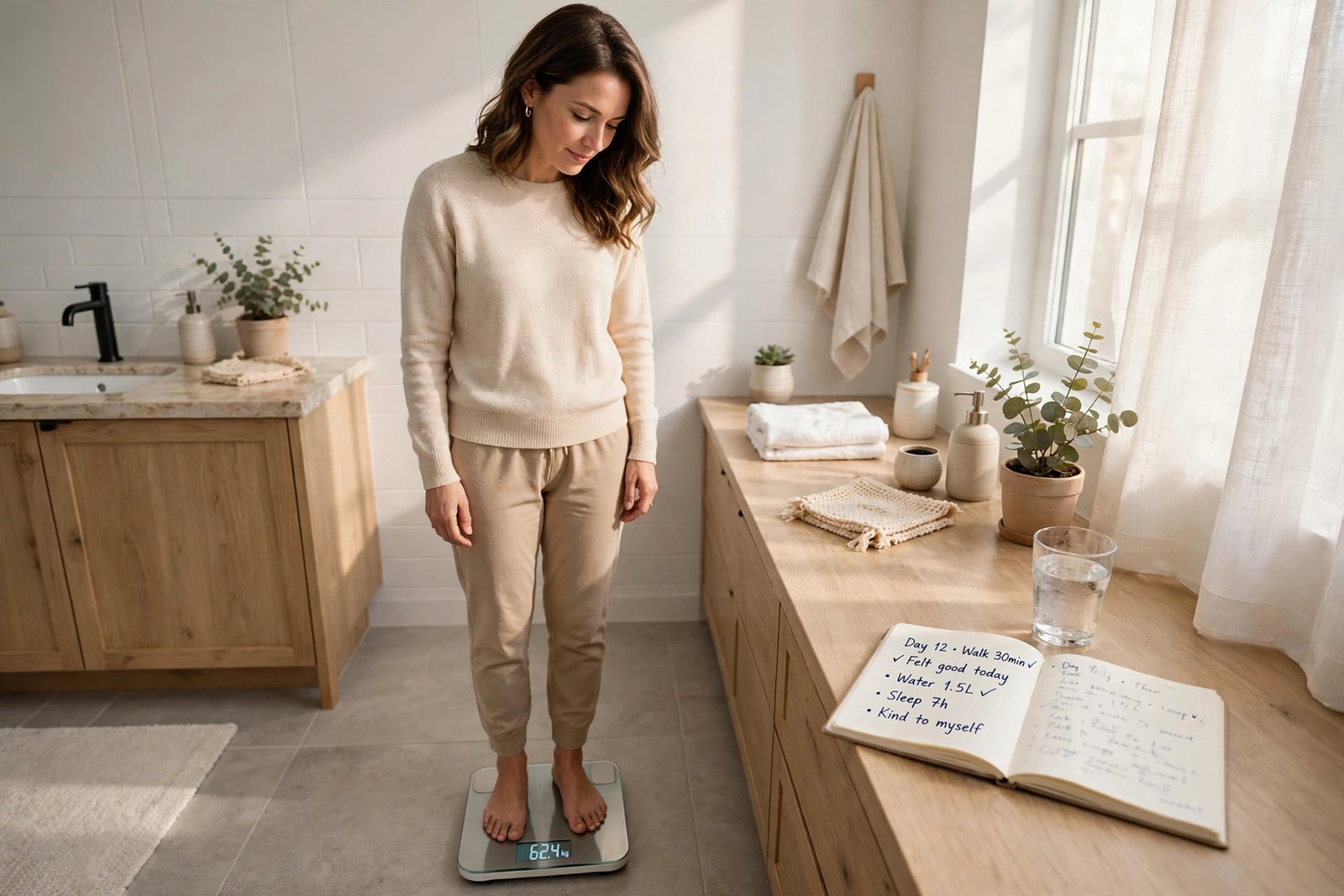
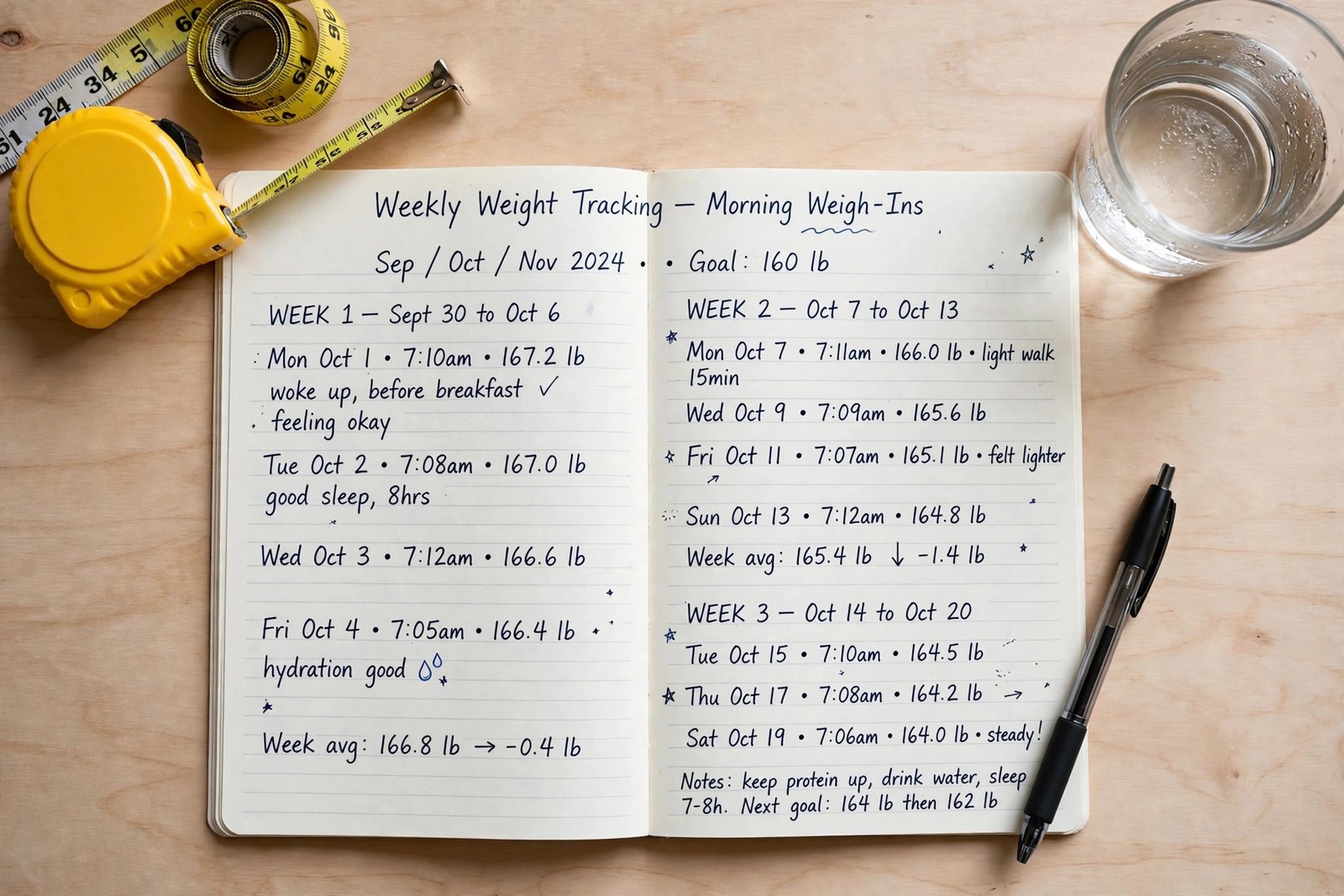
Here is the test. Weigh yourself the same way, at the same time, for 4 weeks. First thing in the morning, after using the bathroom, before eating or drinking. Write each number down, then look at the trend, not at any single day.
A stall of 1 to 3 weeks is usually water. A salty meal, a hard workout, a change in carbohydrates, your period, poor sleep, or a hot day can all add water. It can hide fat loss for a couple of weeks, then drop off all at once.
A true plateau is different. It means 4 weeks with no change at all, measured the same way each time. If you are only two weeks in, you do not have a plateau yet. You have a stall, and the most likely explanation is water.
If your clothes fit more loosely while the scale is flat, you are probably losing fat and holding water.
If the 4 week test shows a real plateau, move on to the five checks. If the stall is under 4 weeks, give it time and retest.
The Five Checks, in Order
Work through these one at a time. Do not try to fix all five at once. If you change five things in the same week, you will never know which one worked. Give each check an honest look before you move to the next one.
Check 1: Liquid Calories
Liquid calories are the first check because they are the most common hidden cause of a stall, and the easiest to miss. Drinks do not fill you up the way food does.
Sugary soft drinks, sweetened coffee drinks, milkshakes, fruit juice, and energy drinks can each carry 150 to 400 calories. A large flavoured latte can carry as many calories as a small meal. Alcohol counts too.
Then check the ones people forget: sugar and milk in tea and coffee, several times a day. A smoothie can be a healthy snack or a 500 calorie drink, depending on the portions, and protein shakes count too.
For one week, write down everything you drink except water, including sugar, milk, syrup, and alcohol. Many people find 200 to 500 calories a day hiding in drinks alone. That is often the whole stall.

Check 2: Are You Eating Too Little?
This check surprises people. Eating too little can stall fat loss, and it is a common problem on Ozempic, because the medicine reduces appetite so much that some people end up eating far less than they realise.
The number to watch for is around 900 calories a day. At that level, many people feel tired, cold, and flat, and they move less without noticing it. Their body burns fewer calories simply because they are doing less.
Eating too little also makes it hard to get enough protein. Without enough protein, the body is more likely to lose muscle along with fat, and muscle is the tissue that keeps your daily calorie burn higher.
The fix is not to eat more of everything. It is to eat enough. Work out your daily needs with the calories calculator, then aim for a moderate deficit below that number, not a crash. If you have been eating around 900 calories a day, talk to your prescriber or a registered dietitian before you change anything.
Check 3: Are You on a Therapeutic Dose Yet?
Ozempic is not started at its full dose. The dose is increased gradually over weeks, and the lower early doses are mainly there to help your body get used to the medicine. During those early weeks, appetite suppression is often weaker, and weight loss can be slow or stop altogether.
A stall in the early weeks may not be a plateau at all. It may simply be that you have not yet reached the dose your prescriber is working towards. Many people stall on a lower dose, then start losing again as the dose is increased.
There is nothing for you to do about this on your own. Do not increase your dose, take an extra dose, or change the timing of your injections. Only your prescriber decides your dose.
If you want the background on how this medicine works, read our guide GLP-1 Weight Loss Explained. It explains the medicine in plain words, without the clinic jargon.
Check 4: Did You Lose Muscle Instead of Fat?
The scale measures your total weight, not what it is made of. Fat loss and muscle loss both move the number down, and water moves it in both directions.
Muscle loss is a real risk during fast weight loss. If you have lost muscle along with fat, your body burns fewer calories at rest, so the same food that used to create a deficit may now only maintain your weight.
The warning signs: you feel weaker, not just lighter. Stairs feel harder. You have lost weight quickly but look softer, not firmer, and you have eaten little protein or done no strength training.
The fix is food and movement, not a new medicine. Include a protein source at every meal, and use the protein intake calculator for a starting point. Do strength training two to three times a week, with bodyweight, bands, or weights.
Our guide Do You Lose Muscle on GLP-1 Medicines? How to Keep Muscle While Losing Weight covers this in more depth. A bathroom scale cannot measure muscle loss, so track strength, measurements, and how clothes fit.
Check 5: Water Versus Fat, the Final Check
This check comes last because it is the one people want to do first. When the scale stalls, the temptation is to blame water and wait.
Water weight arrives fast, often overnight, and leaves fast too.
Try a simple 3 day test: weigh yourself each morning for 3 days, under the same conditions. If the number moves within the same range, water is moving around. If it stays flat after weeks of flat readings, you are looking at a real plateau.
Carbohydrates hold water with them, so a high carbohydrate day can add water weight and a low one can drop it. That is why the scale can move by a kilo after a single meal. It is water, not fat.
If the final check points to water, the answer is patience, not a new diet. Keep doing what was working and let the water clear. If it points to a real plateau, move on to the diet break below.
What Is a Diet Break, and When Does It Help?
A diet break is a planned pause from weight loss, not a return to old habits. For 1 to 2 weeks, you eat at maintenance, the amount that keeps your weight steady, instead of eating in a deficit. Keep protein up and keep training.
It gives your body a rest from months of eating less, so hunger settles and energy returns.
It suits a genuine plateau after months of dieting, not a 2 week stall, and not a stall with a clear cause. Fix clear problems first.
To find your maintenance level, use the total daily energy expenditure (TDEE) calculator. Eat around that number for 1 to 2 weeks. The scale may rise slightly at first from extra food and water. That is normal, not fat gain.
This is not a cheat week. Keep meals structured and protein at every meal. If you are unsure whether a diet break suits you, ask your prescriber or a dietitian first.
What to Track for Two Weeks Before You Decide
Most stalls are solved by better information, not by a bigger change. Track four things honestly for 2 weeks before you decide nothing is working.
First, your weight, written down under the same conditions each time. Look at the average, not the lowest number.
Second, your food and drink. Log everything, including drinks, snacks, cooking oils, and weekend meals. One honest week of tracking often reveals the cause on its own.
Third, your protein and your strength sessions. Note whether you hit a protein source at each meal, and whether you did two or three strength sessions each week.
Fourth, your sleep and your steps. Poor sleep raises hunger and lowers energy, and a step count shows whether you are moving less than when you started.
After 2 weeks, look at the whole picture. Fix what the log shows, such as liquid calories or missing strength sessions. If everything looks steady and the scale is still flat, you have a genuine plateau and a useful record for your prescriber.
When to Talk to Your Prescriber
Some stalls are a job for your prescriber, not for a blog article. Talk to them if any of the following apply.
Your weight has been flat for 4 weeks or more despite honest tracking, a moderate deficit, enough protein, and regular strength training.
You are eating around 900 calories a day or less, and you feel tired, dizzy, cold, or unwell. Very low intake needs professional review, not a tougher diet.
You have side effects that are getting worse, or new symptoms that worry you. Nausea, vomiting, or stomach pain should be discussed promptly.
You are thinking about changing your dose, skipping doses, or stopping the medicine because the scale has stalled. Talk to your prescriber first. Stopping or changing a prescription medicine without guidance can cause weight regain and other problems.
Bring your 2 week record: your weight trend, your food log, your protein and strength notes, and your questions.
What Not to Do When the Scale Stalls
A stall is frustrating, and frustration leads to bad decisions. Here are the ones to avoid.
Do not slash your calories further. If you are already eating very little, eating less will make you more tired, more hungry, and less active. It can deepen the stall instead of breaking it.
Do not weigh yourself five times a day. It will not make the number move faster. Once a day at most, under the same conditions, and judge the trend over weeks.
Do not compare your progress to someone else on social media. People post their best weeks, not their stalls.
Do not buy a supplement, a detox tea, or a fat burner that promises to restart your weight loss. No product can do that, and some can interfere with your medicine or your health.
Finally, do not decide the medicine has failed because of one flat month. Weight loss comes in steps, with flat stretches in between, and the people who reach their goal kept going through them.
Frequently Asked Questions
Why did I stop losing weight on Ozempic after losing well at first?
A stall after early weight loss is common. The most likely causes are water hiding fat loss, liquid calories creeping in, eating too little, not yet being on a therapeutic dose, or losing muscle instead of fat. Check whether the stall has lasted a full 4 weeks with no change. A stall of 1 to 3 weeks is usually water. Work through the five checks in order before you change your plan.
How long does an Ozempic plateau last?
A short stall of 1 to 3 weeks is usually water and often clears on its own. A true plateau means 4 weeks with no change at all, measured the same way each time. How long a real plateau lasts depends on its cause. A liquid calorie problem can be fixed in a week. A muscle loss problem takes longer, because rebuilding strength and protein habits takes time. If your weight has been flat for 4 weeks despite honest tracking, talk to your prescriber.
Does eating too little stop weight loss on Ozempic?
Yes, it can. Eating around 900 calories a day can leave you tired and moving less, which lowers the calories your body burns each day. It also makes it hard to get enough protein, which raises the risk of losing muscle along with fat. If you are eating very little and the scale has stopped, talk to your prescriber or a registered dietitian before changing anything. Do not cut calories further on your own.
Will a diet break help break an Ozempic plateau?
A diet break can help after a long period of dieting, especially if you have been in a deficit for months and your weight has been flat for 4 weeks or more despite honest tracking. Eat at maintenance for 1 to 2 weeks, keep protein up, keep strength training, and then return to a moderate deficit. It is not a cheat week. Fix clear problems such as liquid calories or very low intake first, and ask your prescriber or a dietitian if you are unsure whether a diet break suits you.
When should I talk to my doctor about an Ozempic plateau?
Talk to your prescriber if your weight has been flat for 4 weeks or more despite honest tracking and a moderate deficit, if you are eating around 900 calories a day or less and feel unwell, if side effects are getting worse, or if you are thinking about changing your dose or stopping the medicine. Bring your weight trend and food log to the appointment so they can see the full picture.
Medical Disclaimer
This article is for general information only and is not medical advice. It does not diagnose or treat any condition, and it does not recommend starting, stopping, changing, or tapering any medicine. Talk to your prescriber before making any change to your dose or treatment, and talk to a doctor or a registered dietitian before changing your diet or exercise routine, especially if you feel unwell, if you are eating very little, or if you have a health condition or take medication that affects your appetite or weight.